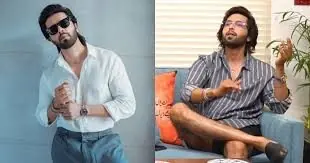
Fahad Mustafa's Shorts Controversy: Unpacking the Viral Interview Uproar

In an era where celebrity actions are scrutinized under a digital microscope, actor and host Fahad Mustafa recently found himself at the center of a social media maelstrom, all stemming from a seemingly innocuous choice of attire: a pair of shorts during a televised interview. The incident has sparked a fervent debate across online platforms, raising questions about public figures’ personal choices, cultural expectations, and the ever-present gaze of the internet.
The controversy ignited after clips from a recent interview featuring Mustafa began circulating widely. Known for his charismatic on-screen presence and often dapper style, Mustafa appeared in a casual setting, sporting shorts. While a common sight in many parts of the world for relaxed occasions, this particular sartorial choice quickly became a talking point, then a trending topic, and finally, a full-blown controversy in Pakistan’s conservative social landscape.
Social media platforms, particularly X (formerly Twitter) and Instagram, became battlegrounds for opinions. Critics swiftly condemned the actor’s choice, citing cultural norms and expectations of modesty, especially for a public figure appearing on national media. Comments ranged from accusations of disrespecting the audience and national values to questioning the professionalism of the interview setup. Many argued that as an influential personality, Mustafa has a responsibility to uphold certain standards of decorum.
Conversely, a significant segment of the online community rallied to Mustafa’s defense. Supporters emphasized personal freedom and the right to dress comfortably, especially in what appeared to be a more informal interview setting. They highlighted the double standards often applied to male and female celebrities, and questioned why a simple pair of shorts could generate such outrage when more pressing societal issues often go unaddressed. The debate also touched upon the evolving nature of media and the blurring lines between formal and informal content.
This incident is not merely about a piece of clothing; it’s a microcosm of the ongoing tension between traditional values and modern expressions in a rapidly globalizing world. Public figures in Pakistan often navigate a delicate balance, where their personal lives and choices are frequently subjected to intense public scrutiny. What might be considered a non-issue in one cultural context can become a flashpoint in another, revealing deeper societal anxieties and expectations.
While Fahad Mustafa himself has yet to officially comment on the uproar, the incident serves as a potent reminder of the power of social media to amplify discussions and dictate narratives around celebrity conduct. It underscores the constant negotiation between individual liberty and collective cultural sensitivities, leaving many to ponder: where do we draw the line between personal style and public expectation in the digital age?

 0 Comments
 Print
Print






What do you think