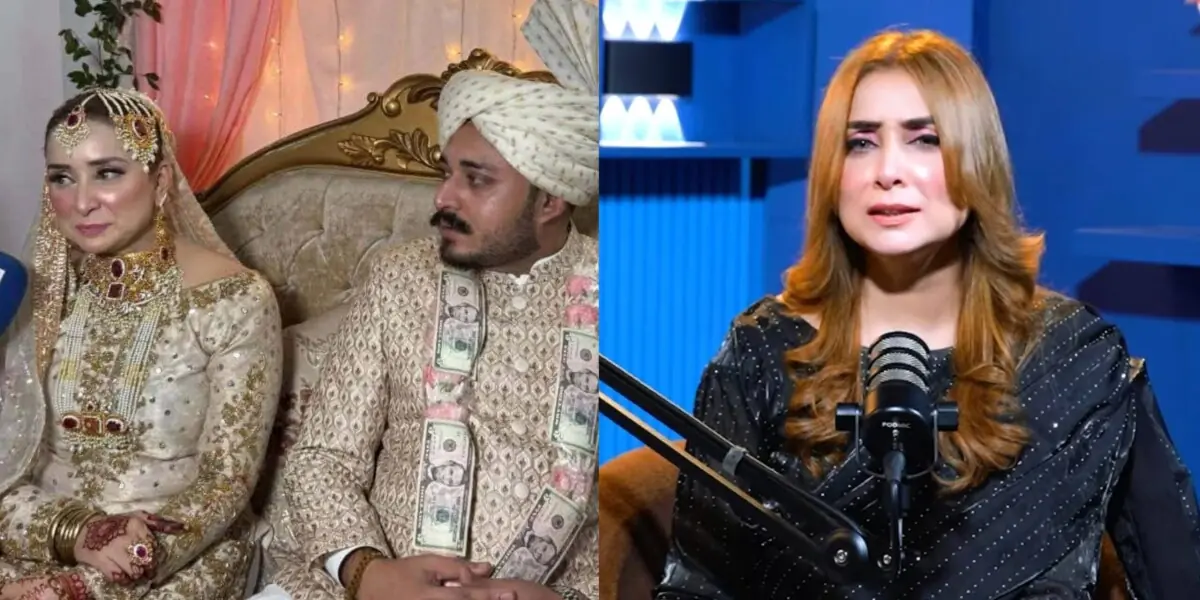
Dr. Nabiha Ali Khan's Divorce: Unpacking the Khula, Allegations, and the Road Ahead

Dr. Nabiha Ali Khan, a prominent figure known for her insightful commentary and public presence, has found herself at the center of a deeply personal and widely discussed marital dispute. The news of her filing for khula from her husband, Haris Khokhar, has captivated public attention, sparking conversations about personal boundaries, societal expectations, and the complexities of modern relationships.
It has come to light that the foundations of her marriage were perhaps shakier than perceived. Dr. Nabiha herself revealed that the thought of divorce was not a recent development but had, in fact, crossed her mind almost immediately after her wedding. This early contemplation suggests a deeper, underlying struggle that eventually escalated. While the precise factors that pushed her to the brink remain a subject of public speculation, her candidness hints at significant challenges within the marital dynamic, including issues related to her in-laws, which she later broke her silence on.
The formal step of filing for khula marks a critical juncture in this unfolding saga. This legal recourse, initiated by the wife, signifies a definitive move towards dissolving the marriage. Following this, Dr. Nabiha openly discussed various allegations, bringing the private turmoil into the spotlight and prompting a strong reaction from various quarters.
In response to Dr. Nabiha’s public allegations, Haris Khokhar did not remain silent. He issued his own statements, addressing the claims made against him and offering his perspective on the marital dispute. This exchange of public narratives has further fueled the ongoing discussion, highlighting the often-conflicting viewpoints in such personal matters.
The decision to pursue khula has not been met with universal understanding. Dr. Nabiha’s announcement was followed by a serious backlash, underscoring the societal pressures and judgments often faced by women who choose to end their marriages, particularly those in the public eye. This reaction reflects broader cultural attitudes towards divorce and the expectations placed upon individuals, especially women, to maintain marital harmony.
Interestingly, amidst her own marital challenges, Dr. Nabiha Ali Khan has also publicly weighed in on other high-profile relationship issues. She notably urged Rajab Butt to reconsider his divorce from Eman Fatima, demonstrating a nuanced and perhaps empathetic view on the sanctity of marriage, even while navigating her own separation. This stance adds another layer to her public persona, showing a thoughtful engagement with the broader discourse on relationships.
As Dr. Nabiha Ali Khan navigates the intricate legal and emotional landscape of her divorce, her journey serves as a poignant reminder of the personal battles fought behind public personas. The unfolding events, from the initial contemplation of divorce to the formal khula filing and the subsequent public and private responses, paint a complex picture of a woman seeking resolution amidst intense scrutiny. Her story continues to evolve, reflecting the challenging realities of personal decisions made under the glare of the public eye.

 0 Comments
 Print
Print







What do you think