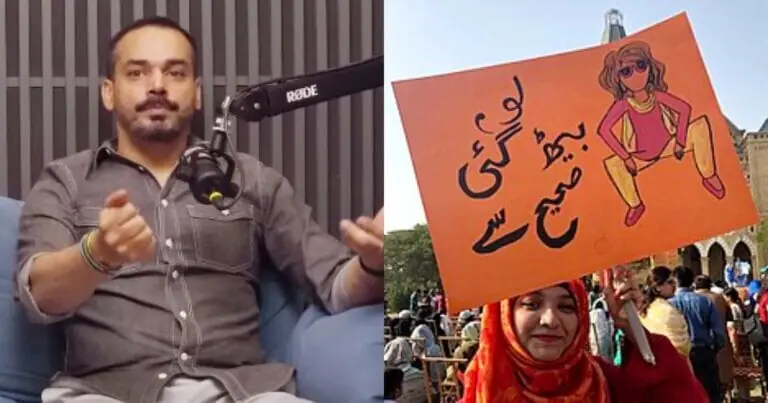
Gohar Rasheed Ignites Fierce Debate: Is Aurat March's Message Overshadowed by 'Vulgarity'?

The annual Aurat March, a powerful movement advocating for women’s rights and gender equality, once again finds itself at the center of a heated public discourse, this time fueled by prominent actor Gohar Rasheed’s recent comments. Rasheed has openly called out what he perceives as ‘vulgarity’ within the march, reigniting a long-standing debate about the movement’s messaging and its public reception.
Since its inception, Aurat March has been a beacon for women demanding an end to patriarchal violence, discrimination, and systemic oppression. Each year, thousands take to the streets, carrying placards and chanting slogans that highlight critical issues ranging from bodily autonomy and reproductive rights to economic justice and an end to gender-based violence. The movement has successfully brought crucial conversations into the national spotlight, challenging societal norms and demanding accountability.
However, the march has also consistently faced criticism, particularly concerning certain slogans and visual expressions deemed ‘vulgar’ or ‘un-Islamic’ by conservative segments of society. These criticisms often focus on specific placards or phrases that challenge traditional modesty or directly address sexual and bodily rights, leading to accusations that the march promotes indecency or Western agendas.
Gohar Rasheed’s intervention adds a significant voice to this chorus of concern. As a well-known public figure, his comments carry weight and contribute to the ongoing narrative that elements of the march’s expression might be detracting from its core message. His stance reflects a sentiment held by many who believe that while the cause of women’s rights is legitimate, the methods of expression should align with perceived cultural or religious sensitivities, lest they alienate potential supporters or misrepresent the movement’s broader goals.
Conversely, organizers and participants of Aurat March staunchly defend their messaging. They argue that what some label as ‘vulgarity’ is, in fact, a deliberate and necessary form of protest against deeply entrenched patriarchal taboos. For them, provocative slogans are not gratuitous but essential tools to shock, challenge, and force uncomfortable conversations about issues that society often prefers to ignore. They assert that focusing on the perceived ‘vulgarity’ of a few placards is a deliberate tactic to derail the movement’s serious demands and distract from the systemic injustices women face daily.
This ongoing tension underscores a fundamental divide in society regarding freedom of expression, cultural values, and the methods of social activism. As public figures like Gohar Rasheed weigh in, the debate intensifies, highlighting the complex interplay between progressive demands for rights and the deeply rooted cultural and religious frameworks that shape public discourse. The question remains: can the powerful message of Aurat March transcend these controversies, or will the debate over ‘vulgarity’ continue to overshadow its vital calls for justice and equality?

 0 Comments
 Print
Print




What do you think